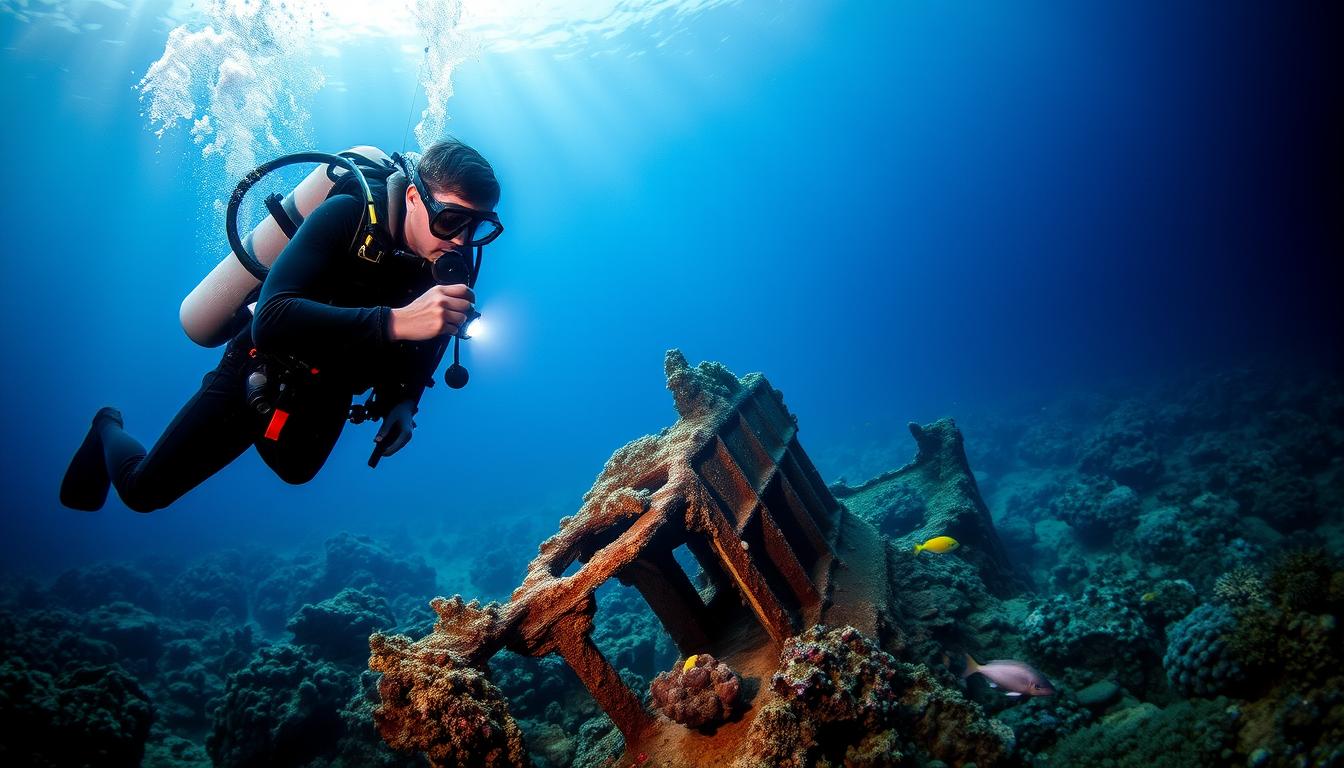
Imagine gliding past a submerged ship, its history whispering in the silent water. This is the world of underwater exploration. It combines a journey into the past with the vibrant pulse of a living marine ecosystem.
These sites attract adventurers from across the globe. The draw is a powerful mix of mystery and the chance for personal discovery. You get to witness how human-made structures transform into thriving habitats.
Every submerged vessel serves a dual purpose. It is a historical artifact, a window to a moment in time. Simultaneously, it acts as an artificial reef, supporting diverse populations of aquatic life.
For photographers and marine enthusiasts, this offers an experience far beyond a typical reef. The scenes are unique, filled with shadow and story. However, navigating these environments requires specific knowledge and respect.
This specialty is wonderfully accessible to certified divers looking to expand their horizons. With the right preparation, you can unlock adventures rich in history and biological diversity.
Key Takeaways
- Wreck diving merges historical exploration with observing a active marine ecosystem.
- Submerged ships and planes create unique, captivating environments for scuba divers.
- These locations are popular due to their inherent mystery and potential for discovery.
- Wrecks function as both historical time capsules and vital artificial reefs.
- Proper training and skill development are essential for safe and responsible exploration.
- It is a popular and accessible specialty course for certified divers.
- This form of diving offers distinctive opportunities for photographers and ocean lovers.
Essential Preparations for Wreck Diving
The path to safely navigating underwater structures begins with a structured course. A PADI Wreck Diver Specialty certification provides the essential skills and knowledge.
Understanding Prerequisites and Training Requirements
This specialty program typically costs $429. The fee is comprehensive. It covers an academic session, three guided ocean dives on actual sites, and all necessary manuals.
You also receive your certification card. The package includes a boat trip with beverages. Students should bring their own lunch and snacks.
Gear rental is available at a 50% discount. Three tank rentals are provided. Remember, there is no air compressor on the boat.
Choosing the Right PADI Wreck Diver Specialty Course
Many programs offer flexibility. You can often choose between the Wreck or Deep specialty. This is practical since many submerged sites lie between 60 and 100 feet deep.
Opting for local Southern California training is a smart move. It eliminates long drives or overnight stays in San Diego. This saves you significant time, energy, and money.
You build familiarity with nearby locations you’ll visit after certification. The typical schedule involves a full day on the water. This prepares you for real-world exploration.
Locating and Analyzing Exciting Wreck Sites
Los Angeles divers have a distinct advantage: a wealth of accessible historical sites right offshore. You don’t need to travel far to find incredible underwater adventures.
Popular Dives: Yukon and Ruby E Wrecks
Sites like the Yukon and Ruby E are famous for good reason. They offer large, intact structures teeming with marine life. However, equally captivating explorations exist much closer to home.
Local Dive Opportunities in Southern California
The waters from Santa Monica to Long Beach Harbor are rich with submerged history. You can explore the Palawan, Avalon, Star of Scotland, Olympic II, and Georgia Straits.
Various barge sites also provide fantastic training grounds. Departing from these local ports saves you significant travel time and expense.
Trips on private chartered six-pack vessels offer a personalized experience. You get more flexibility and direct attention from your instructor.
These locations have blossomed into vibrant artificial reefs. They attract dense populations of fish and invertebrates.
This makes them ideal for underwater photographers and marine explorers. A typical day starts with a 7:30 AM departure and returns by 3:30 PM.
Learning on these local sites builds immediate familiarity. You can confidently return to them for future independent adventures.
Techniques and Safety Skills for a Successful Dive
Safety and skill go hand-in-hand when exploring the captivating world of underwater historical sites. A successful outing relies on mastering specific techniques and a disciplined approach to personal and environmental safety.

Essential Gear and Equipment Recommendations
Proper equipment is a cornerstone of safe exploration. Beyond standard scuba gear, a dive light is crucial for illuminating interiors and shadowy areas.
A reel or guideline is vital for navigation, especially around complex structures. A cutting tool provides an important safety margin against entanglement.
Maintaining Dive Safety and Depth Awareness
Most training dives occur between 60 and 100 feet. This depth demands excellent buoyancy control and careful air management.
Increased pressure at these depths affects air consumption and nitrogen absorption. Always plan a slow, controlled ascent with a safety stop.
The buddy system is mandatory; solo exploration is not permitted. Participants without a partner are paired with the class.
Divers already certified in Deep or Wreck specialties can join trips directly. They still benefit from guided site knowledge.
Pre-dive planning with your buddy is essential. Discuss maximum depth, time limits, and emergency procedures.
These courses emphasize responsible practices. This includes respecting fragile structures and the vibrant marine habitats they support.
Conclusion
Transforming curiosity into safe exploration is the ultimate goal of specialized diver education. The skills you gain form a critical foundation. They allow you to responsibly engage with historical artifacts and thriving marine life.
This unique form of underwater exploration offers incredible rewards. You discover stories from the past while observing nature’s reclaiming process. California’s coastal waters provide accessible venues for these adventures.
Preserving these submerged time capsules is a shared duty. Investing in proper training enhances your overall competence. To begin, consider enrolling in a wreck diver specialty course. It’s your gateway to a fascinating world beneath the surface.