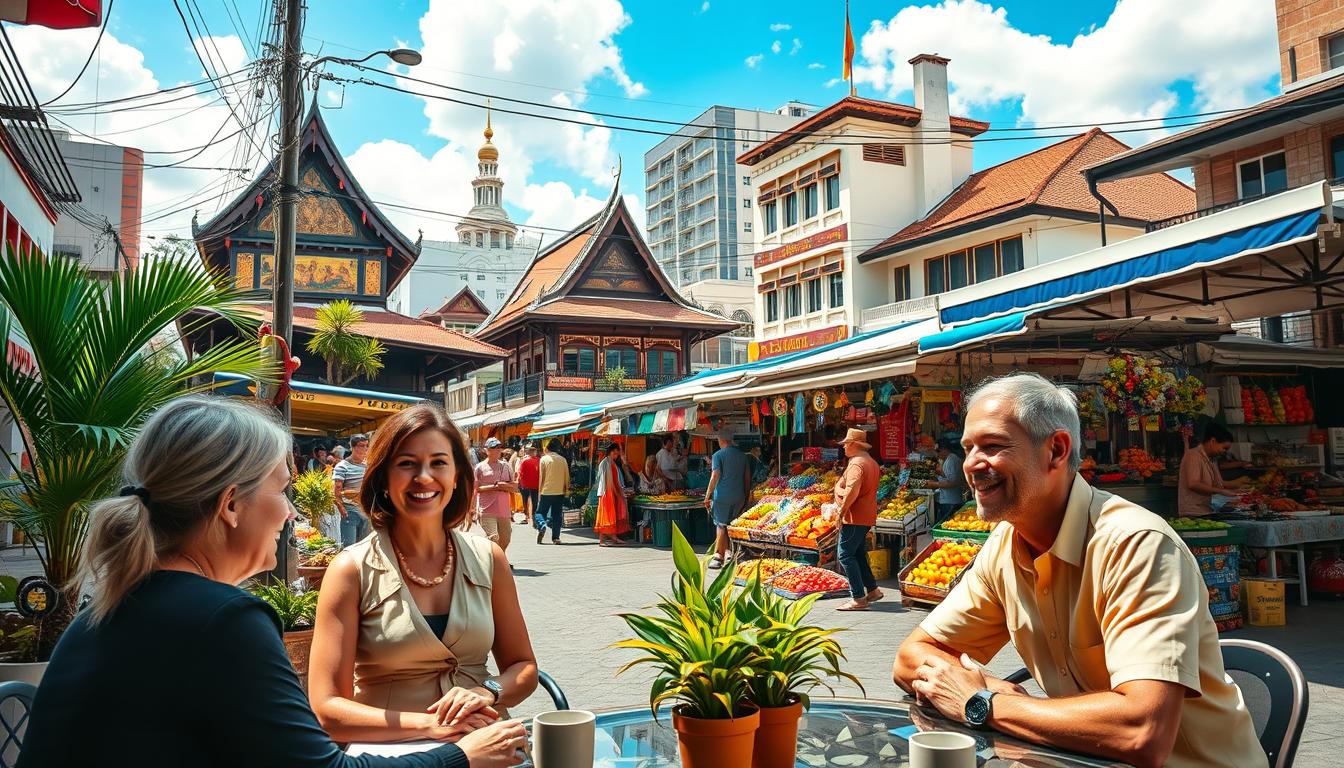
Choosing Thailand as a new home is a dream for many. This Southeast Asian nation draws individuals from across the globe with its vibrant culture, stunning landscapes, and welcoming atmosphere.
This international relocation often stems from a search for something different. Many seek fulfillment that eluded them back home, whether in their career, personal growth, or daily experiences.
The journey is a profound change. Real stories highlight that the first few weeks can be a brutal adjustment. It’s common to feel overwhelmed and even think about returning.
Most who stick it out discover incredible inner resilience. This fresh start, while intimidating, is also exhilarating. It’s a chance to rebuild your world with new scenery and different people.
Living in Thailand is about transformation. It changes not just your address, but your entire perspective. This guide, based on real experiences, will help you navigate the unique challenges and immense rewards ahead.
Key Takeaways
- Thailand presents a distinctive mix of cultural immersion and practical challenges for newcomers.
- The initial adjustment period is often difficult, but pushing through builds personal strength.
- Relocating overseas typically represents a search for deeper fulfillment and a different lifestyle.
- A successful transition requires a willingness to start many aspects of your world from the beginning.
- The entire experience fundamentally transforms how you view your capabilities and opportunities.
- Setting realistic expectations is crucial for long-term happiness and adaptation.
- This advice comes from authentic lessons learned by people who have made the move.
Cultural Shifts and Lifestyle Adjustments in Thailand
Cultural values in Thailand, centered on ease and enjoyment, reshape your approach to time and tasks. Simple things become complex as you learn new social rules.
This adjustment requires significant mental energy. Daily routines that were automatic need conscious thought.
Embracing New Traditions
Becoming part of Thai society means respecting local customs. The wai greeting shows respect to others.
Dress codes for temples are strictly followed. Participating in festivals like Songkran connects you to the community.
These practices are a meaningful part of local life.
Redefining Daily Routines
Your day operates on a different clock. The heat dictates activity patterns, with errands often done in cooler morning hours.
Meal times are more fluid. The famous mai pen rai (no worries) attitude affects scheduling.
Punctuality is viewed differently here. This relaxed pace can be freeing once you adapt.
| Area of Life | Common Western Expectation | Typical Thai Reality |
|---|---|---|
| Punctuality | Strict adherence to time | Flexible, relationship-focused timing |
| Social Greetings | Handshake or verbal hello | Wai (pressed palms bow) with status awareness |
| Daily Meal Times | Fixed breakfast, lunch, dinner | Multiple small meals, street food snacks |
| Festival Participation | Observer or occasional attendee | Active, community-wide immersion |
Understanding these differences is key. Adjustment is an ongoing process, not a single event.
Approach with curiosity for a smoother transition in this new country.
Navigating Practical Challenges and Bureaucratic Systems
Getting your legal and practical affairs in order is a critical first step for anyone settling in Thailand. The administrative landscape can seem daunting at first.
Proper preparation saves significant time and stress. It lays a solid foundation for your new chapter in this country.
Securing Visas and Housing
Understanding visa requirements is non-negotiable before moving abroad. A tourist visa is not a long-term solution.
You must secure the correct visa based on your purpose. Common options include retirement, education, business, and elite visas.
Each has specific financial and documentation requirements. Arranging a place to stay before arrival is equally vital.
It provides stability during your initial months. Research neighborhoods and understand lease terms thoroughly.
| Visa Type | Key Requirements | Typical Validity |
|---|---|---|
| Retirement Visa | Age 50+, Financial Proof | 1 year, renewable |
| Education Visa | Enrollment in Accredited Institution | 1 year, renewable |
| Business Visa | Work Permit, Company Sponsorship | 1 year, renewable |
“Navigating bureaucracy is less about fighting the system and more about learning its rhythm.”
Managing Finances & Utilities
Opening a local bank account is a top priority. It requires a residence certificate and often a work permit.
Set up utilities like electricity, water, and internet promptly. Be prepared for potential language barriers during setup.
Having several months of savings provides a crucial safety net. It allows you to focus on settling in without financial panic.
Building New Social Networks in Thailand
Creating a supportive circle is a cornerstone of thriving in your new Thai environment. Early days often bring social isolation. Feeling lonely, especially during holidays from home, is common.
Leveraging Expat Communities
Your shared experience as a newcomer creates instant bonds. Differences in background matter less when you both navigate a similar transition.
Join local Facebook groups or platforms like Internations. Attend meetups and co-working events. These spaces are designed for connection.
Making Connections with Locals
Friendships with Thai people offer deeper cultural insight. Learning basic Thai phrases shows respect and opens doors.
Participate in community festivals or classes. Understand that local friendship patterns may differ. Be patient and genuinely curious.
Persistence is key. Get outside daily, even when it feels intimidating. Some friendships may be temporary, but they provide crucial support during your time here. The special people will remain in your life.
Savoring Thailand’s Unique Cuisine and Daily Living
Thailand’s culinary landscape is a vibrant gateway to understanding its culture and daily rhythms. The food here turns every meal into a discovery. It represents a significant upgrade in quality and affordability for most newcomers.
Daily eating patterns are social and flexible. Locals enjoy multiple small meals, often from street stalls or markets. This approach makes food a central part of community connection.
Specific dishes like pad thai, green curry, and som tam become staples. Being open to these flavors enriches your daily experience. It’s a delicious way to connect with your new surroundings.
| Food Source | Typical Offerings | Key Benefit |
|---|---|---|
| Street Markets | Fresh, local dishes, snacks | Authentic taste & low cost |
| Local Supermarkets | Imported goods, staples | Familiarity for a bit of home |
| Cooking at Home | Ingredients from markets | Creative control & cultural immersion |
You might miss specific things from your home country. Yet, Thailand offers exceptional alternatives. Focusing on available delights creates a more positive life.
The healthiest mindset appreciates what’s gained. For a comprehensive look at settling in, consult this detailed country guide. Let your stomach lead the way to new adventures.
Understanding the Realities of Expat life abroad in Thailand
Years abroad don’t just change your address; they reshape how you see your country of origin. This long-term experience provides a unique outside perspective. You gain clarity on both the strengths and flaws of your homeland.
Learning from Personal Experiences
The first year often involves intense nostalgia. Many newcomers idealize everything from their home country. After several years, a more balanced view emerges.
You appreciate finer aspects while spotting problems more clearly. This shift is a powerful part of the journey. Living overseas teaches profound lessons about personal identity.
- You are not defined solely by your career or nationality.
- You can redefine yourself without losing your core.
- Your flexibility becomes a great strength.
After a long stay, a difficult realization may surface. You might not fit comfortably back in your native land. Relationships and cultural references have shifted.
The person who left is not the same person today. Accepting this change is crucial. The lessons learned, through joy and challenge, stay with you for life.
Adjusting to Work and Career Opportunities Abroad
Transitioning your career overseas is less about escaping old problems and more about building new opportunities. A common mistake is thinking a new country will fix work you dislike. Offices exist everywhere.
The difference is in your approach to your career prospects. You must arrive with a plan. This means secured work, university acceptance, or a digital nomad setup.
Transitioning Careers Abroad
For many, teaching English is the most accessible path. Other options include roles with international firms or entrepreneurship. Your credentials from home may not directly transfer.
Be prepared for a potential step back professionally. Rebuilding your standard of living takes time and patience, often a year or more. Securing a legal work permit is complex and requires employer sponsorship.
| Career Path | Key Requirements | Important Considerations |
|---|---|---|
| Teaching English | Native speaker, often a TEFL certificate | Most accessible; work permit arranged by school |
| International Companies | Relevant experience, often specialized skills | Competitive; strict work permit sponsorship |
| Digital Nomad | Remote job or freelance clients outside Thailand | Offers career continuity; requires personal visa management |
“The most important consideration is knowing why you’re making this move. Once the excitement wears off, you still wake up with yourself every day.”
This situation requires accepting trade-offs. Moving abroad should redirect your career, not run from it. For broader strategies, explore these top tips for a smooth transition.
Managing Culture Shock, Homesickness, and Emotional Well-Being
Homesickness and culture shock are not signs of failure but natural parts of the relocation process. Virtually everyone faces these emotional challenges at various times. It’s a psychological response to massive life change.
You might feel like you’re on a rollercoaster. One day is exhilarating, the next is isolating. This is normal and progresses through predictable stages.
Coping Strategies for Culture Shock
Actionable techniques help manage difficult periods. First, maintain a simple daily routine. This creates stability when other things feel chaotic.
Stay physically active and limit social media comparisons to your home country. Keeping a journal processes feelings. Recognize that hard days are temporary.
| Stage | Common Feelings | Helpful Response |
|---|---|---|
| Honeymoon Phase | Excitement, curiosity | Explore safely, learn basics |
| Frustration Phase | Irritation, fatigue | Establish routine, seek support |
| Adjustment Phase | Growing comfort, understanding | Deepen local connections |
| Acceptance Phase | Adaptation, bicultural identity | Integrate new and old ways |
Homesickness often spikes during holidays or family milestones. Acknowledge these feelings instead of suppressing them.
Distance can improve family bonds. Limited time together becomes more intentional and special. Schedule regular video calls and be fully present.
Taking care of your mind is not self-indulgent. Know when to seek professional help. Building a support system is key for long-term well-being in your new home.
Essential Tips for a Smooth Transition When Moving Abroad
The difference between a stressful arrival and a confident start often lies in pre-departure groundwork. Addressing key practical things before you leave creates a stable foundation for your new chapter.
Planning and Preparation Steps
Secure your visa and a temporary place to stay first. Research neighborhoods and connect with online communities for insights.
Have a clear income plan, whether it’s a remote job, teaching position, or sufficient savings. Gather all necessary documents like passports and academic records.
This preparation saves a lot of hassle later.
Budgeting & Savings Insights
Financial readiness is non-negotiable. Initial setup costs are higher than regular living expenses.
Plan to arrive with at least five months of living expenses saved. This cushion covers rent deposits, social outings, and unexpected needs.
Understanding costs in your new country prevents surprises. A solid budget makes the first year abroad much smoother.
Embracing the Local Language and Cultural Etiquette
Learning Thai goes beyond simple communication—it’s a key that unlocks authentic cultural experiences. While English works in tourist areas, speaking the local tongue transforms your experience. You move from observer to participant in society.
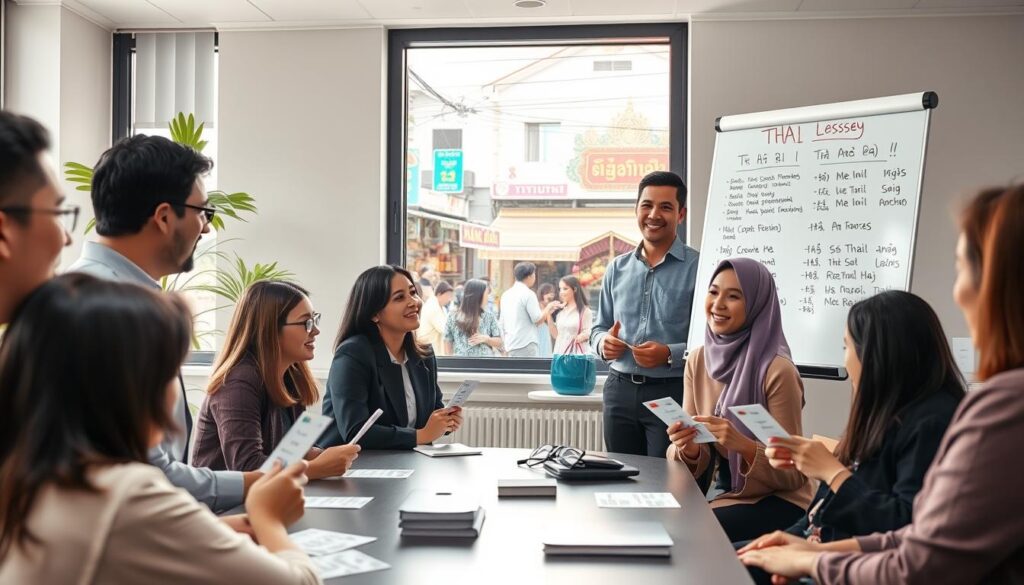
Basic phrases help with daily tasks. Ordering food, handling bills, or dealing with officials becomes smoother. This effort shows respect and earns appreciation from local people.
Language Learning Hacks
Start with essential greetings and questions before you arrive. Apps like Pimsleur or ThaiPod101 offer structured lessons. Consistent daily practice, even for a short time, builds confidence.
Find a language exchange partner for conversation practice. Many affordable classes are available in the country. Don’t fear making mistakes; Thais welcome the attempt.
| Learning Method | Best For | Typical Time Commitment |
|---|---|---|
| Mobile Apps | Vocabulary & Pronunciation | 15-30 minutes daily |
| Formal Classes | Grammar & Structure | Several hours per week |
| Language Exchange | Conversation & Fluency | 1-2 hours weekly |
Thai is a tonal language, which can be challenging. Yet, even imperfect speech is functional and appreciated. Learning the script also helps with correct pronunciation.
Cultural etiquette is a vital part of fitting in. Understand the concept of “face”—avoid public confrontation. Respect local customs regarding the monarchy and Buddhism.
This commitment signals you want to be part of the community, not just live there. It enriches your daily life and deepens every connection.
Overcoming Family and Personal Adjustments Abroad
Moving overseas as a family unit forces you to confront deep questions about home, belonging, and shared purpose. This situation tests every relationship within your immediate circle.
It requires immense trust, especially when one partner’s career drives the relocation. The other may sacrifice their professional network and proximity to their own family.
Raising children presents a unique cultural tightrope. You must balance instilling your home values with allowing them to integrate into Thai society.
Kids may identify more with their new environment than their passport country. This is a natural part of their experience.
Distance from aging parents back home brings emotional complexity. You might miss important milestones and feel guilt.
Yet, limited visits each year make the time you do share incredibly special. Quality truly outweighs quantity in these lives.
Your personal identity also evolves. You learn to define yourself beyond career or old social status.
Starting over at any age is about discovery. You let go of your former self while holding onto your core.
This journey, over years, can strengthen your family bond. Shared challenges become the foundation of your new life together.
Conclusion
In the final analysis, the true value of an international move lies in the indelible lessons it etches into your character. This journey fundamentally reshapes your view of the world and your place in it.
The challenges are real. Bureaucracy, culture shock, and distance test your resolve. Yet, most find these trials are worth the incredible personal growth they unlock.
You may trade some career progression or material comfort for profound life experience. The resilience and cultural understanding you gain become a permanent part of who you are as a person.
This path isn’t for everyone. Some thrive in the familiarity of their home country. Others find their calling in new cultures. Both choices are valid.
If you feel drawn to this move, know you have the strength for this adventure. Thousands of people have succeeded before you. One year from now, you may look back in amazement at how much you’ve grown.